
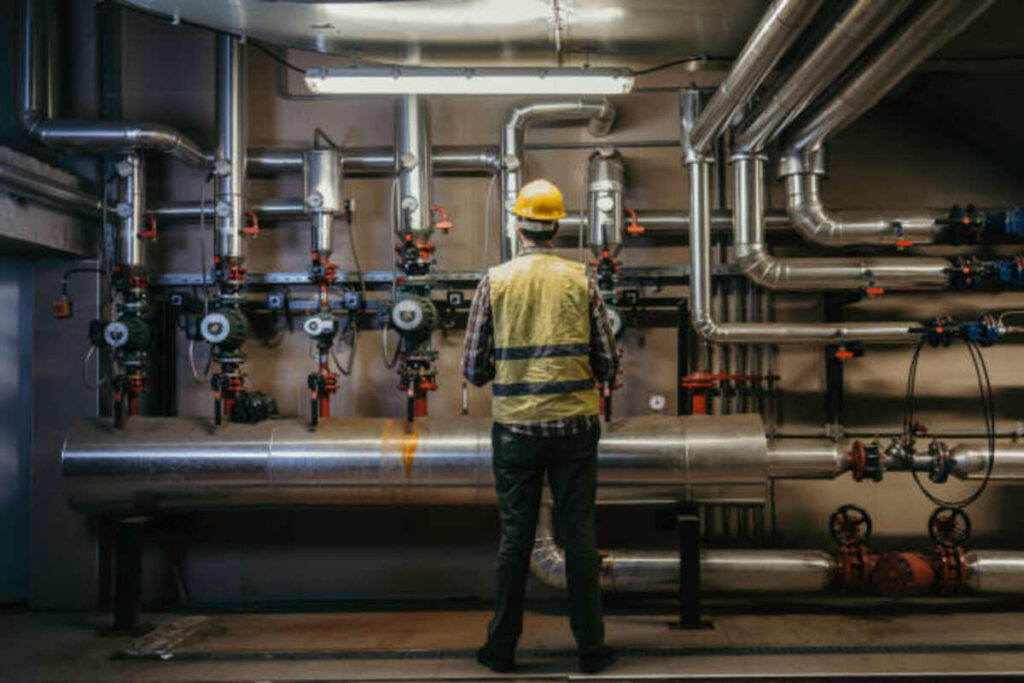
When a plumbing issue strikes a commercial property, it is rarely just an inconvenience—it is a direct threat to the operational capability of the business. A flooded restroom in a retail store, a failing water heater in a large hotel, or a backed-up grease trap in a bustling restaurant can lead to immediate revenue loss, health code violations, and lasting reputational damage. This reality underscores exactly why businesses cannot rely on subpar maintenance. Partnering with top-tier commercial plumbing companies is an investment in your building’s longevity and your organization’s peace of mind. Best way to find the commercial plumbing companies.
To maintain a safe, efficient, and fully operational facility, property managers and business owners need more than just someone who knows how to use a wrench. They require a strategic partner. This comprehensive guide will explore the top qualities of reliable plumbing services, detail the critical maintenance strategies that protect your bottom line, and explain the advanced technologies utilized by modern plumbing experts to keep massive facilities running smoothly.
Understanding the Scale: Commercial vs Residential Plumbing Systems
A common misconception among new property owners is that commercial plumbing is simply residential plumbing on a slightly larger scale. In reality, the difference between commercial vs residential plumbing systems is vast, encompassing completely different engineering principles, municipal regulations, and daily usage volumes.
Understanding these differences is the first step in recognizing why you need specialized commercial plumbing companies to handle your facility.
Usage Volume and Frequency
In a standard home, a bathroom might be used a dozen times a day. In a commercial office building, a shopping mall, or an airport, a single restroom facility may see hundreds or thousands of flushes daily. This exponential increase in usage requires heavy-duty fixtures, commercial-grade piping, and systems designed to withstand constant wear and tear without catastrophic failure.
Structural Complexity
Residential plumbing typically navigates one or two stories. Commercial systems, on the other hand, often span multiple floors, requiring intricate networks of pipes, gravity-fed drainage systems, and complex water pressure regulators. A failure on the tenth floor of a high-rise can devastate the nine floors below it if the system is not properly engineered and maintained.
Stringent Health and Safety Codes
Commercial facilities are heavily regulated. Restaurants, hospitals, and industrial plants must adhere to strict health department guidelines. This requires a thorough understanding building plumbing code requirements, ranging from the installation of specific sanitary drains to the mandatory separation of potable and non-potable water systems.
Top Qualities of Reliable Commercial Plumbing Companies
Not all plumbing services are created equal. When your facility’s infrastructure is on the line, you need a contractor who exhibits a specific set of professional traits. Here are the core qualities that define the most reliable commercial plumbing companies in the industry:
1. 24/7 Emergency Responsiveness
Disasters do not respect standard business hours. A burst pipe at 2:00 AM requires an immediate response to mitigate structural water damage. Reliable plumbing partners offer true, round-the-clock emergency support with guaranteed response times for their commercial clients.
2. Comprehensive Licensing and High Liability Insurance
Commercial projects carry massive financial risks. A top-tier plumber will hold all necessary state and local licenses for commercial operations. Furthermore, they will carry substantial liability insurance and workers’ compensation, protecting your business from financial liability in the event of an onsite accident or unintended property damage.
3. Advanced Technological Capabilities
The days of relying solely on guesswork and a plunger are long gone. The best commercial plumbers invest heavily in state-of-the-art diagnostic and repair technology, such as acoustic leak detectors, thermal imaging, and trenchless pipe repair systems. This commitment to technology minimizes invasive repairs and reduces overall downtime.
4. Transparent Communication and Documentation
Property managers need detailed records for budgeting, compliance, and insurance purposes. A reliable plumbing company provides clear, written estimates, photographic evidence of damage, and comprehensive post-repair reports. They communicate seamlessly with facility management teams, ensuring everyone is on the same page.
Essential Plumbing Installation and Upgrades
Whether you are fitting out a newly leased restaurant space, upgrading a dated office complex, or replacing failing infrastructure, professional plumbing installation requires precision and foresight.
Phased Installation for Minimal Disruption
One of the hallmarks of an expert commercial plumber is the ability to conduct major installations with minimal impact on your daily operations. This often involves phased installations, night shifts, or weekend work to ensure that your employees and customers are not inconvenienced by water shutoffs or construction noise.
Commercial Water Heater Installation and Repair
Hot water is a basic necessity for hygiene in any building, but for industries like hospitality, healthcare, and food service, it is a critical operational requirement. Commercial water heater installation and repair involves complex decisions regarding sizing, energy efficiency, and fuel sources.
Reliable plumbing services will evaluate your peak hot water demand to recommend the ideal system. They will help you choose between heavy-duty storage tank heaters, which offer large immediate reserves, or high-efficiency commercial tankless systems, which provide continuous hot water and lower energy consumption. Furthermore, they will establish routine maintenance schedules to flush sediment from the tanks, ensuring optimal efficiency and extending the lifespan of the costly equipment.
ADA Compliant Bathroom Fixture Installation
In the United States, adhering to the Americans with Disabilities Act (ADA) is a strict legal requirement for all commercial buildings accessible to the public or employees. Failing to meet these standards can result in hefty fines and damaging lawsuits.
Expert commercial plumbing companies are well-versed in ADA regulations. ADA compliant bathroom fixture installation goes far beyond simply installing a wider stall. It includes:
- Toilet Height and Clearance: Ensuring toilets are installed between 17 and 19 inches from the floor, with specific spatial clearances for wheelchair maneuverability.
- Sink Specifications: Installing sinks with adequate knee clearance, ensuring exposed hot water pipes underneath are insulated to prevent burns, and mounting faucets that can be operated with one hand without tight grasping or twisting.
- Grab Bars: Proper anchoring of grab bars to support significant weight without compromising the wall’s structural integrity.
Advanced Diagnostic and Cleaning Technologies
To keep massive commercial systems flowing smoothly, modern plumbing relies on highly specialized technology. When blockages occur deep within a building’s infrastructure, guessing is not an option.
Sewer Line Camera Inspections for Businesses
When a commercial facility experiences frequent backups, slow drains, or foul odors, the root cause is often hidden underground or behind thick concrete walls. Sewer line camera inspections for businesses take the guesswork out of plumbing diagnostics.
Plumbers use high-definition, waterproof cameras attached to flexible fiber-optic cables. These cameras are fed into the sewer and drain lines, providing a real-time video feed to a monitor above ground. This technology allows technicians to pinpoint the exact location and nature of a problem—whether it is a bellied (sagging) pipe, an intrusion of tree roots, a buildup of scale, or a collapsed line.
Benefits of Camera Inspections:
- Accuracy: Eliminates “trial and error” digging, saving thousands in landscape and structural repair costs.
- Condition Assessment: Helps property managers assess the overall health of aging pipes to plan future capital expenditures.
- Proof of Concept: Provides physical video evidence of the blockage, giving business owners confidence in the recommended repair plan.
Industrial Drain Cleaning Services
Commercial drains are subjected to materials that residential drains never see. Manufacturing facilities, large-scale commercial kitchens, and massive public restrooms accumulate heavy sludge, debris, and foreign objects that standard snaking simply cannot clear.
Industrial drain cleaning services utilize heavy-duty mechanical augers and specialized chemical treatments to break down severe blockages. However, for the most stubborn and extensive buildups, mechanical snaking is often insufficient, which brings us to the most effective cleaning method available.
Hydro Jetting for Large Scale Facilities
When mechanical snaking fails, hydro jetting is the ultimate solution. Hydro jetting for large scale facilities involves using highly pressurized water—often ranging from 3,000 to 4,000 PSI or more—to scour the interior walls of plumbing pipes.
A specialized nozzle is inserted into the pipe, blasting water backward and forward simultaneously. This pressure is strong enough to obliterate tree roots, pulverize mineral scale, and emulsify heavy grease build-ups.
Why Hydro Jetting is Superior for Commercial Properties:
- Complete Restoration: While a traditional snake merely punches a hole through a blockage, hydro jetting cleans the pipe entirely, restoring it to its original diameter and flow capacity.
- Environmentally Friendly: Because it uses only pressurized water, it avoids the use of harsh, environmentally damaging chemicals.
- Preventative Power: Regular hydro jetting makes it much harder for new blockages to form, drastically reducing the frequency of plumbing emergencies.
Industry-Specific Commercial Plumbing Requirements
Different industries have unique plumbing challenges that require highly specialized knowledge. Reliable plumbing services understand the nuances of these specific sectors.
Grease Trap Maintenance for Restaurants
For the food service industry, fats, oils, and grease (FOG) are the enemy of plumbing systems. When FOG cools, it solidifies, creating massive, immovable blockages in municipal sewer lines. To prevent this, restaurants are legally required to have grease traps (or grease interceptors) installed.
Routine grease trap maintenance for restaurants is not optional; it is a critical compliance issue. If a grease trap overflows or fails, it can cause sewage to back up into the commercial kitchen, resulting in an immediate shutdown by the health department. Furthermore, municipalities actively monitor the effluent from restaurants and will levy massive fines on businesses that allow FOG to enter the public sewer system.
A reliable commercial plumber will establish a routine pumping and cleaning schedule based on the restaurant’s volume, ensure the baffles are in good condition, and maintain the necessary compliance logs required by local health inspectors.
Backflow Prevention Testing and Certification
Clean, potable water is essential for any building. However, sudden changes in water pressure—such as a water main break down the street or the use of a fire hydrant—can cause water to flow backward through a building’s pipes. If this happens in an industrial facility or a hospital, hazardous chemicals, biological waste, or industrial fluids can be sucked back into the public drinking water supply.
To prevent this, commercial buildings are required to install backflow prevention assemblies. These mechanical valves ensure that water only flows in one direction.
Because these are mechanical devices with internal seals, springs, and moving parts, they are subject to wear and tear. Local laws mandate annual backflow prevention testing and certification. Only certified backflow technicians can perform this testing. They hook specialized gauges to the assembly to ensure it activates at the correct pressure thresholds. Partnering with a plumbing company that handles this certification internally ensures your building remains compliant without having to juggle multiple contractors.
The Power of Proactive Care
The most expensive plumbing repair is the one that catches you by surprise. Forward-thinking facility managers prioritize proactive maintenance over reactive panic.
Preventative Plumbing Maintenance Contracts
One of the strongest indicators of a reliable commercial plumbing company is their offering of tailored preventative plumbing maintenance contracts. These contracts shift the focus from fixing broken things to ensuring things never break in the first place.
A comprehensive maintenance contract typically includes:
- Routine Inspections: Scheduled visits to inspect exposed pipes, test water pressure, and check for signs of corrosion or micro-leaks.
- Fixture Calibration: Adjusting flushometer valves on commercial toilets and urinals to prevent continuous running.
- Drain Maintenance: Scheduled hydro jetting for high-risk lines (like kitchen drains or factory floor trenches) before they back up.
- Water Heater Servicing: Annual flushing and anode rod inspection.
- Priority Service: In the event of an emergency, contract holders are pushed to the front of the line, guaranteeing immediate response times.
The return on investment for preventative maintenance is massive. It extends the life of expensive equipment, prevents revenue-destroying downtime, and makes budgeting highly predictable.
Commercial Water Conservation Strategies
With the rising cost of utilities and an increasing global focus on corporate sustainability, water conservation is a major priority for businesses. A knowledgeable plumbing partner will help you implement highly effective commercial water conservation strategies that lower your overhead costs while boosting your environmental credentials.
Actionable Conservation Strategies:
- Low-Flow Fixtures: Installing aerators on faucets and switching to low-flow or dual-flush toilets. In a building with hundreds of employees, reducing a toilet flush from 3.5 gallons to 1.28 gallons yields massive daily savings.
- Touchless Technology: Motion-sensor faucets and flush valves not only improve bathroom hygiene but also prevent water waste from users leaving taps running.
- Smart Leak Detection Systems: These systems monitor water flow through the main lines. If they detect a continuous, abnormal flow of water (indicating a hidden leak), they can send instant alerts to a property manager’s phone and even automatically shut off the main water supply to prevent flooding.
- Greywater Recycling: In large new developments, plumbers can design systems that capture water from sinks and showers, filter it, and reuse it for landscape irrigation or toilet flushing.
Navigating Codes and New Construction
Commercial plumbing is not just about turning wrenches; it involves a massive amount of planning, engineering, and legal compliance.
Blueprint Review for New Construction Plumbing
Before a single trench is dug or a pipe is laid, the success of a commercial plumbing project is determined during the design phase. A premier commercial plumbing company offers comprehensive blueprint review for new construction plumbing.
During this phase, expert plumbers work closely with architects and engineers to identify potential flaws in the design. They perform clash detection to ensure plumbing lines do not interfere with HVAC ductwork or electrical conduits. They verify that pipe sizing is sufficient for the building’s projected maximum occupancy and ensure that adequate venting is designed into the system to prevent vacuum locks in the drainage lines. Catching a design flaw on a blueprint costs nothing; fixing it after the concrete foundation has been poured can cost tens of thousands of dollars.
Understanding Building Plumbing Code Requirements
The International Plumbing Code (IPC) and the Uniform Plumbing Code (UPC) are incredibly dense, complex documents that govern how commercial systems must be built. Additionally, local municipalities often have their own specific amendments and regulations.
Understanding building plumbing code requirements is non-negotiable for a commercial plumber. This includes knowing the correct slope required for horizontal drainage pipes (typically 1/4 inch per foot), understanding the exact distance requirements for cleanout access panels, and knowing which pipe materials are legally permitted for specific applications (e.g., using cast iron for noise reduction in high-end office spaces versus PVC). A reliable plumber ensures that all work passes municipal inspections on the first attempt, preventing costly construction delays.
Knowing When to Act: Upgrades and Emergencies
Even with the best maintenance, systems age and unforeseen disasters occur. Knowing how to recognize the signs of failure and how to handle emergencies is crucial for facility management.
Signs Your Business Needs a Plumbing Upgrade
Replacing commercial plumbing infrastructure is a major capital expense, but waiting until a catastrophic failure occurs is always more expensive. Property managers should be vigilant for these signs your business needs a plumbing upgrade:
- Frequent Blockages and Slow Drains: If you are calling a plumber to snake the same drain every month, the pipe is likely collapsing or heavily corroded.
- Discolored or Foul-Tasting Water: Brown or rusty water indicates severe pipe corrosion. This is an immediate health hazard and a sign that galvanized or steel pipes need replacing.
- Unexplained Spikes in Water Bills: A sudden increase in water usage without a corresponding increase in business volume is a massive red flag pointing to a hidden underground leak.
- Persistent Foul Odors: The smell of sewage in your building indicates that P-traps are failing or that there are cracks in the sewer venting system, allowing hazardous sewer gases to escape into the working environment.
- Visible Water Damage: Stains on ceiling tiles, warped flooring, or bubbling paint on walls are clear indicators of slow, persistent leaks behind the architecture.
Emergency Plumbing for Property Managers
When a pipe bursts in a commercial facility, every second counts. Thousands of gallons of water can flood a space in minutes, destroying inventory, short-circuiting electrical systems, and forcing business closures.
Effective emergency plumbing for property managers relies on pre-planning and quick action.
- Map the Shut-Offs: Every property manager, maintenance staff member, and key tenant should know exactly where the main water shut-off valves are located and how to operate them.
- Establish Protocol: Have a clear, written protocol for staff on who to contact when a leak is discovered.
- Keep Your Plumber on Speed Dial: Do not wait until an emergency happens to start Googling for a plumber. Have an established relationship with a reliable commercial plumbing company so that when you call, they already know your building’s layout and system intricacies.
The Buyer’s Guide: How to Choose a Commercial Plumber
With so much at stake, selecting the right partner is a critical business decision. If you are currently evaluating your options, here is a step-by-step guide on how to choose a commercial plumber that will protect your facility.
Step 1: Verify Commercial-Specific Experience
Do not hire a residential plumber who occasionally takes on commercial jobs. You need a dedicated commercial contractor. Ask them about their experience with buildings of your specific size and industry. A plumber who excels at servicing small retail shops might be completely out of their depth trying to manage the complex boiler systems of a 300-room hotel.
Step 2: Demand Proof of Licensing, Bonding, and Insurance
Never take a contractor’s word for it. Request physical copies of their state plumbing license, their bonding information, and their certificate of insurance. Verify that their liability coverage is high enough to cover a total loss scenario in your building.
Step 3: Assess Their Service Offerings
The most reliable plumbing services are essentially one-stop shops. You want a company that can handle standard leaks, complex installations, backflow testing, and high-tech diagnostics. If a company has to sub-contract out camera inspections or hydro jetting, they are not the comprehensive partner you need.
Step 4: Evaluate Their Responsiveness and Communication
Call their emergency line during off-hours to see how long it takes to reach a live human being. Ask for references from current commercial clients and actually call them. Ask those references: Did the plumber show up on time? Were their invoices transparent? Did they communicate clearly with the facility staff?
Step 5: Inquire About Maintenance Programs
A company that only wants to be called when things are broken is looking for a quick payday. A company that actively encourages and offers preventative maintenance contracts is looking for a long-term partnership. Choose the partner.
The Foundation of Business Continuity
At its core, commercial plumbing is not just about pipes, valves, and fixtures; it is about business continuity. An invisible network of water and waste lines keeps your employees safe, your customers comfortable, and your operations running smoothly. When that network fails, everything halts.
By understanding the immense differences between commercial and residential systems, recognizing the value of advanced technologies like hydro jetting and camera inspections, and prioritizing preventative maintenance, property managers can take control of their facility’s health.
Taking the time to research and partner with top-tier, reliable commercial plumbing companies is one of the most effective risk management strategies a business can employ. Do not wait for a flooded lobby or a health department violation to realize the importance of excellent plumbing services. Audit your current plumbing infrastructure today, seek out a highly qualified commercial contractor, and build a proactive strategy that will protect your building—and your bottom line—for decades to come.