
You might have noticed the notoriously wealthy characters in HBO’s Succession or celebrities stepping out in outfits that look incredibly expensive, yet lack a single visible designer emblem. Have you ever seen someone who just looks effortlessly polished—even in a simple white t-shirt and jeans—but you couldn’t quite figure out why? It isn’t magic, and it certainly isn’t an accident. This phenomenon is known as Quiet Luxury Fashion, and it is fundamentally changing how everyday people think about status and style. Best way to find the Quiet Luxury Fashion.
Consider the incredibly common dilemma of staring at a closet full of clothes but feeling like you have absolutely nothing to wear. Industry data reveals that this frustration often stems from our reliance on disposable fashion—buying into fleeting trends that look outdated the moment they leave the store. Instead of constantly chasing the next big thing, this new movement offers a permanent solution by focusing on longevity. It represents a conscious shift away from temporary fads toward wardrobe staples that actually work together.
This cultural shift becomes clear when examining what consumers are leaving behind: the era of logomania. For years, modern luxury meant broadcasting your wealth through giant, flashy brand names plastered across your chest. Imagine the difference between a $2,000 neon hoodie with a massive designer logo and a $2,000 plain cashmere sweater from a heritage brand like Loro Piana. The hoodie shouts for attention like a catchy pop song you get sick of after a week, while the premium cashmere sweater is like a classic acoustic track that never gets old.
This growing preference for the understated cashmere sweater is the beating heart of stealth wealth. According to retail analysts, shoppers are increasingly exhausted by the constant pressure to perform their wealth or fashion sense for others on social media. People are choosing discretion over display, investing their money into the actual quality of the garment rather than paying to be a walking billboard. Buying less but buying better has become the new ultimate flex, proving that you don’t need to shout to be heard in a crowded room.
Achieving this polished look relies on a simple design philosophy of subtraction, focusing entirely on three core pillars: fabric, fit, and minimalism. It is not about what you add with flashy jewelry or loud colors, but rather what you take away so the craftsmanship can speak for itself. Think of a cheap polyester shirt like a fast-food meal—it is satisfying in the moment but ultimately lacks substance. Conversely, building a wardrobe on natural fabrics with perfect tailoring provides a foundation that looks instantly elevated, regardless of whether you shopped at a premium boutique or the upgraded basics section at Gap.
Adopting this approach does not mean you are suddenly restricted to wearing boring beige clothes for the rest of your life. Whether pop culture refers to it as the Sofia Richie aesthetic or simply smart dressing, ‘quiet’ actually translates to immense confidence. It is about wearing clothes that make you feel powerful, comfortable, and put-together without needing a recognizable tag to validate your worth. This subtle art opens the door to looking incredibly chic on your own terms, completely redefining what it means to make a lasting fashion statement.
Deciphering the ‘Old Money’ Aesthetic vs. Modern Minimalism
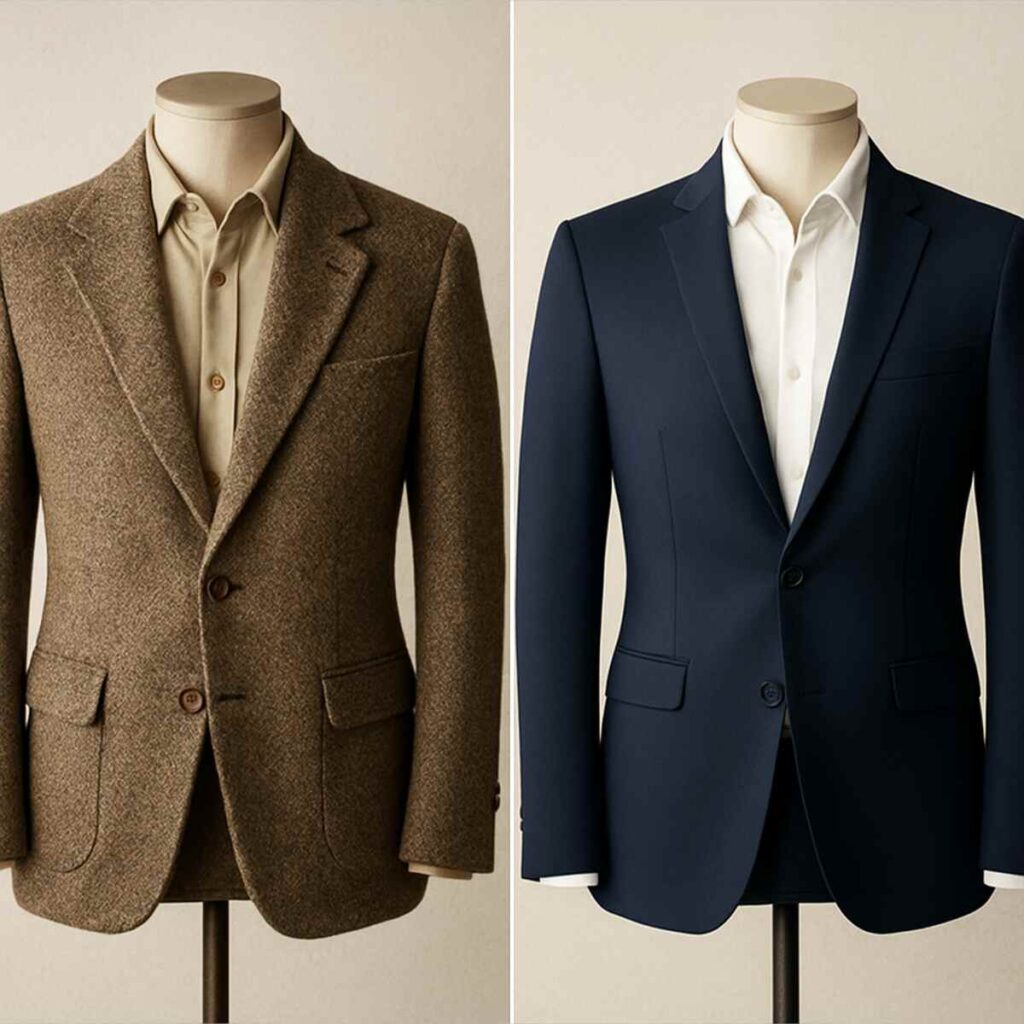
Stepping away from flashy logos doesn’t mean you are limited to just one specific “quiet” look. If you have scrolled through social media recently, you might have noticed two distinct paths emerging in the world of unbranded fashion: the old money aesthetic vs minimalist style. Both skip the giant designer emblems, yet they tell completely different stories. The “Old Money” vibe whispers of weekends in the countryside and historic estates, whereas “Modern Minimalism” feels like the uniform of a sleek, forward-thinking tech CEO.
To spot the difference, simply look at the subtle design cues replacing traditional branding.
When curating your own stealth wealth wardrobe essentials, here is how the two camps compare:
- ‘Old Money’ Aesthetic: Relies on heritage fabrics (like thick tweed or cable-knit cashmere), earthy colors, and equestrian details such as leather elbow patches or brass buttons.
- Modern Minimalism: Favors clean, architectural lines, monochromatic palettes (blacks, whites, and grays), and innovative tech fabrics or perfectly smooth wools.
Your daily lifestyle will ultimately dictate which path fits your personal brand best. Are you drawn to the cozy, classic charm of a historic university campus, or the sharp, uncluttered energy of a downtown loft? Regardless of whether you prefer a traditional hunting jacket or a razor-sharp modern coat, the secret to making either look expensive is identical. It all comes down to the materials, which is why high-quality fabrics are the foundation of understated elegance.
Why High-Quality Fabrics Are the Foundation of Understated Elegance
A cheap sweater often clings awkwardly, while a luxury piece flows gracefully. That fluid movement is called “drape,” and it is the secret superpower of natural fibers in fashion. Materials like cotton, silk, and 100% wool possess an inherent weight and breathability that synthetics like polyester simply cannot replicate. While a plastic-based shirt traps heat and creates a stiff, artificial silhouette, natural materials mold perfectly to your frame over time. Selecting these high-quality fabrics for understated elegance is the absolute easiest way to make a budget-friendly outfit look like a major investment.
Fortunately, you do not need a textile degree to spot premium materials on a crowded store rack. You can evaluate any garment’s true value using this quick, practical checklist:
- The Light Test: Hold the item up to a window; if a supposedly heavy winter sweater lets light easily pour through, it lacks density.
- The Scrunch Test: Squeeze a handful of the fabric tightly. Quality linen and wool bounce back with soft, natural creases, while cheap synthetics feel remarkably like plastic wrap.
- The Seam Pull: Gently tug the sides of the garment; visible gaps mean the material is flimsy.
- The Label Check: Always verify the tag to ensure you aren’t paying a premium for a mostly synthetic blend.
Upgrading your closet starts with these tactile details, but beautiful cloth is only half the equation. Even the most luxurious cashmere will look completely sloppy if the construction is an afterthought. Once you understand fabrics, it is time to master how they are seamlessly stitched together.
The Science of Stealth: Identifying Superior Tailoring in Designer Garments
Beautiful fabric is only the beginning; how a piece is built dictates how it actually flatters your body. When identifying superior tailoring in designer garments, the easiest place to start is the blazer’s shoulder. Mass-produced jackets rely on stiff, bulky pads that create a rigid, boxy shape reminiscent of a football uniform. Conversely, premium pieces feature carefully hand-set shoulders that hug your natural curves, creating a smooth, relaxed profile that feels effortless rather than restrictive.
Beneath that elegant drape lies a hidden structural secret known as canvassing. You can think of a cheap, glued-together jacket like a disposable paper cup—it holds its shape temporarily but quickly bubbles and warps after a few wears or trips to the dry cleaner. A true canvassed jacket, however, uses an internal layer of woven horsehair and wool. Much like a high-quality leather shoe breaking in, this hidden canvas softens and molds perfectly to your body heat and shape over time.
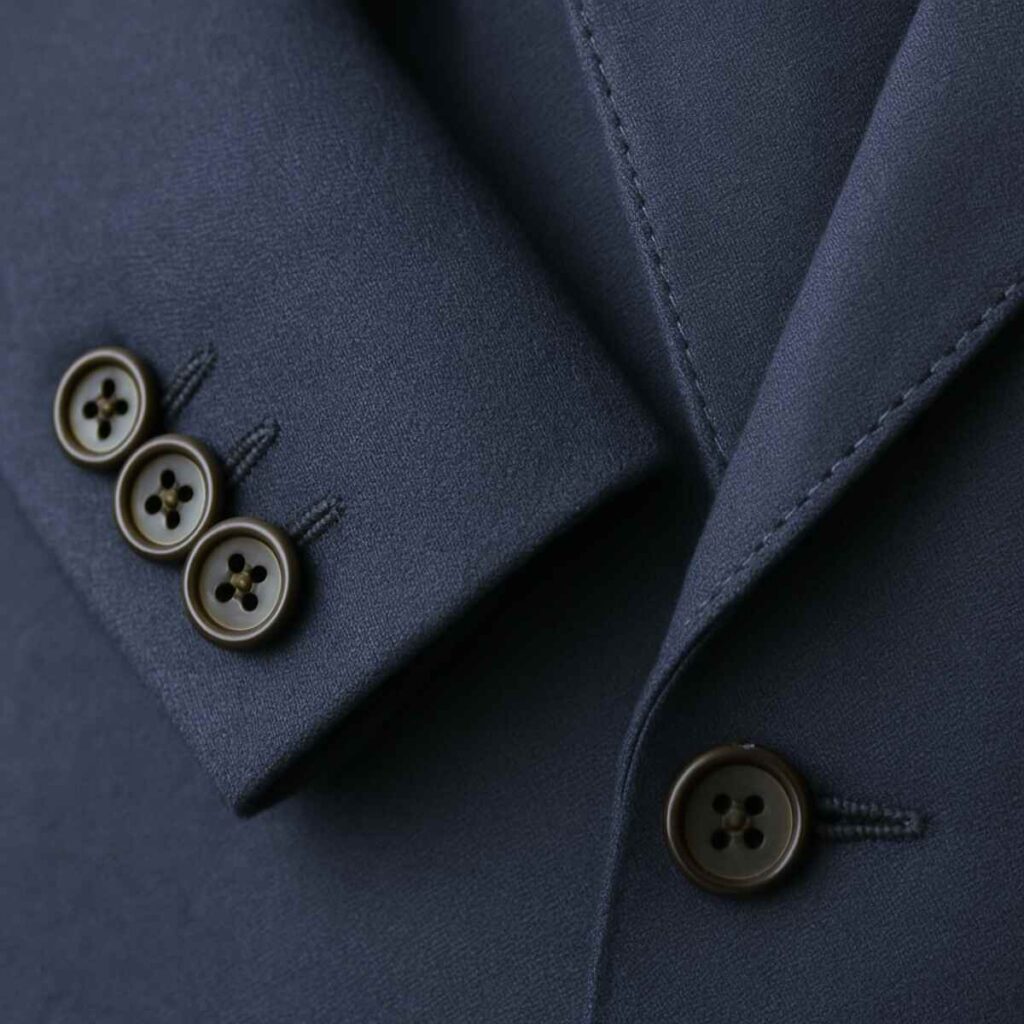
True luxury always reveals itself in tiny, functional details that most people miss at first glance. Check the sleeve of a premium blazer for “surgeon’s cuffs”—buttons that actually open and close, rather than decorative fakes stitched over the fabric. You should also look closely at the lapels for pick stitching, which is a faint, elegant row of hand-sewn thread along the edge that keeps the fabric flat. Recognizing these quiet markers of craftsmanship provides the ultimate foundation for looking expensive without a single logo.
How to Look Expensive Without a Single Logo
Mastering “subtractive styling” is your fastest route to looking effortlessly affluent. This concept simply means removing obvious distractions—like loud patterns or flashy jewelry—so the focus remains entirely on fit and fabric. If you want to know how to look expensive without logos, start with monochromatic dressing. Wearing varying shades of a single color, like head-to-toe navy or cream, instantly creates a streamlined silhouette. It removes visual clutter, tricking the eye into perceiving your ensemble as a unified, custom-made uniform.
Relying on one color might sound boring, which is where textural contrast becomes essential. Think of this like interior design: a solid white room feels sterile, but adding a thick wool throw over a smooth leather sofa makes it rich and inviting. In fashion, textural contrast means mixing different fabric finishes to add depth without bright colors. Pairing a chunky ribbed sweater with sleek silk trousers creates a tactile richness that elevates any basic outfit.
Perfecting how a garment sits on your frame is just as important as the fabric itself, bringing us to the “tuck and drape” method. Rather than letting a shirt hang loosely or tucking it rigidly, gently tucking only the front half provides a relaxed yet tailored structure. This simple adjustment defines your proportions while maintaining casual elegance. Once you master these everyday visual tricks, upgrading your wardrobe staples easily justifies the upfront price tag.
The Economic Case for Luxury: Understanding the Cost-Per-Wear Formula
Dropping $300 on a sweater feels intimidating until you apply the “Vimes’ Boots Theory.” Popularized by author Terry Pratchett, this concept notes that a wealthy person spends less on shoes long-term because one $50 pair lasts a decade, while someone else spends $100 constantly replacing $10 boots that quickly fall apart. In styling, we call this Cost-Per-Wear (CPW). You calculate it by dividing a garment’s price by how many times you will actually wear it.
The math clearly reveals the cost-per-wear benefits of premium craftsmanship. Let’s compare two winter coats over a five-year period:
- Fast-Fashion Coat: Costs $80 upfront. It loses shape and needs replacing every winter. Five-year total: $400.
- High-Quality Wool Coat: Costs $300 upfront. It survives all five winters beautifully. Five-year total: $300.
Shifting this shopping mindset turns a chaotic closet into a reliable asset portfolio. Instead of endlessly buying disposable trends, you start curating investment pieces for a timeless capsule collection—a highly wearable wardrobe paying daily dividends in confidence. Realizing true luxury prioritizes longevity over flashy labels explains why certain ultra-minimalist brands changed everything.
The ‘The Row’ Influence: Why Minimalist Design Redefined the 2020s
You likely know that runway styles eventually land in everyday mall stores, but the shift toward logo-free elegance started at the absolute pinnacle of fashion. Rejecting the era’s obsession with flashy branding, the row and minimalist design influence dominated the 2020s by proving that whisper-quiet aesthetics could outshine loud logos. This cultural reset trickled down to accessible retailers quickly, bringing quiet luxury fashion trends out of exclusive boutiques and into mainstream public consciousness.
Without giant emblems to signal status, designers had to find another way to make simple garments look extraordinary. They achieved this through “architectural silhouettes.” Think of the difference between a flimsy pop-up tent and a solidly built house; one sags, while the other has strong, intentional structure. In clothing, an architectural silhouette means the fabric holds a deliberate, flattering shape rather than just hanging off your frame. Whether it is the sharp, confident shoulder of an oversized blazer or the graceful drape of a wool trouser, the actual physical cut becomes the status symbol.
Taking this a step further introduces “invisible design,” the real reason a seemingly basic garment commands a premium price tag. This concept lives in the hidden details you feel rather than see: a seamless neckline, perfectly weighted fabric that refuses to wrinkle, or internal stitching that keeps the exterior flawlessly smooth. This approach prioritizes the wearer’s physical comfort over showing off to strangers. Recognizing these hidden markers of true quality perfectly prepares you to build a timeless capsule collection.
Building the Base: Essential Investment Pieces for a Timeless Capsule
That common frustration of staring at a packed closet with absolutely nothing to wear disappears when shifting focus from chasing disposable trends to securing elegant essentials. Rather than buying twenty mediocre garments that pill or sag after a few washes, the secret to timeless style lies in strategic spending. The trick is knowing when to splurge—like on a heavy wool coat that will hold its shape for a decade—and when to save, such as picking up high-quality cotton t-shirts from accessible retailers like Uniqlo or Gap.
To put this “buy less, buy better” philosophy into practice, you only need a handful of core items to anchor your closet. Consider this your ‘Magnificent 7’ checklist:
- A structured camel coat
- A crisp, white poplin shirt
- A well-tailored navy blazer
- Straight-leg, dark wash denim
- A fine-knit crewneck sweater
- Classic leather loafers
- A sleek, unbranded leather belt
By combining these foundational garments, you unlock incredible versatility without overstuffing your hangers. Mixing and matching just these seven items can effortlessly generate over 20 distinct outfits, proving that acquiring the right investment pieces dramatically lowers your actual cost-per-wear. Once the right structural pieces are in place, ensure they all seamlessly match.
Master the Palette: How to Curate a Sophisticated Neutral Wardrobe
A simple beige sweater often looks richer than a neon hoodie because of color saturation, or the intensity of a hue. Bright colors easily highlight flaws in cheaper manufacturing. Conversely, low-saturation shades like soft taupe absorb light beautifully, instantly elevating an outfit’s perceived value. Understanding this concept is the absolute foundation of how to curate a sophisticated neutral palette.
Matching these soft tones to your natural complexion is your next crucial step. Essential wardrobe neutrals fall into two camps: warm and cool. If your skin has golden or peachy undertones, warm shades like camel and oatmeal will naturally make you glow. If you have cooler pink undertones, crisp navy and slate gray are your best choices.
Combining your chosen pieces reveals the elegant magic of tonal dressing. Instead of using harsh contrasts, a tonal palette blends varying shades of the same color family—like layering a light cream shirt under a darker camel coat. Using this foundational color theory in fashion creates visual depth without relying on loud logos. Harmonizing colors sets the stage for upgrading fabrics.
Silk, Wool, and Cashmere: Choosing Materials That Last a Lifetime
Stepping up to perfect fabrics is what truly transforms an outfit from looking good to feeling incredible. Take silk vs polyester, for example. A polyester blouse might look sleek on the hanger, but it traps body heat and wears out quickly, much like a disposable plastic cup. In contrast, natural silk breathes and regulates your temperature effortlessly. These natural fibers are a genuine investment in your wardrobe’s longevity rather than a fleeting luxury. By calculating the “cost-per-wear,” a well-made wool coat that lasts a decade is ultimately much cheaper than a trendy synthetic jacket you have to replace every single winter.
Winter wardrobes perfectly illustrate these cashmere benefits and the incredible insulation of natural wool. However, not all sweaters are created equal, which introduces the hidden world of fiber grading. Cashmere fibers are graded from A to C based on their length and thickness. Grade-A cashmere relies on the longest, finest hairs, creating a garment that actually gets softer over time without aggressive pilling. Meanwhile, cheaper Grade-C cashmere uses short, stubby hairs that feel deceptively fluffy in the store but will quickly shed and lose their shape after a few washes.
Checking the tag for these materials becomes your secret weapon against wasting money on disposable clothing. When you prioritize high-quality fabrics for understated elegance, your clothes will drape beautifully and survive daily life with grace. Upgrading a closet doesn’t require a billionaire’s budget or throwing everything away overnight.
From Fast Fashion to Quality-Focused: A Step-by-Step Transition Guide
An overnight wardrobe overhaul causes financial stress, making a gradual transition from fast fashion to quality-focused dressing essential. Instead of tossing everything, use the “three-year rule” to identify replacement priorities. Look at your most-worn items, like a favorite winter jacket or daily trousers, and ask if they will realistically survive three more years. If they are already fraying, those foundational pieces are exactly what you should upgrade first.
To stop impulse buying during this process, adopt the “One-In, One-Out rule” for your closet. This straightforward boundary dictates that for every new piece acquired, a lesser-quality item must be donated or sold. Following this method naturally encourages sustainable shopping by forcing you to evaluate whether a potential purchase is truly superior to what already takes up space on your hangers.
Fortunately, securing these upgraded garments does not require paying premium retail prices, thanks to the booming luxury resale market. Shopping on authenticated second-hand platforms is much like buying a certified pre-owned car: you get exceptional craftsmanship without absorbing the initial depreciation. Purchasing gently used, top-tier brands allows you to acquire durable wardrobe staples for the same price you would normally spend at the local mall.
True elegance ultimately relies on intention rather than a massive budget. As you begin curating fewer, better items, you will naturally start noticing how elite designers signify value without screaming for attention. Spotting these quiet design signatures reveals a hidden language of luxury.
Subtle Branding: Recognizing Contemporary High-End Apparel Markers
Moving past the era of giant logo belts, today’s most exclusive garments rely on a different communication style. Instead of “broadcasting” wealth to everyone with flashy text, modern designers use “narrowcast signaling.” This creates pieces that only fellow enthusiasts recognize—the ultimate IYKYK (If You Know You Know) approach. Embracing this subtle branding in contemporary high-end apparel completely transforms how you view clothing construction.
Spotting these stealth wealth markers is exactly like learning a secret fashion handshake. Designers use distinct, textless signatures that signify premium quality to trained eyes:
- Four White Stitches: Maison Margiela’s understated thread marks on the back collar.
- Intrecciato Weave: Bottega Veneta’s signature braided leather, requiring zero logos.
- Tricolor Loop: Thom Browne’s red, white, and blue grosgrain ribbon.
- Monili Beads: Brunello Cucinelli’s tiny metallic bead detailing along edges.
- Turn-Lock Hardware: Hermès’ distinct metal closures on belts and leather goods.
Because these quiet details rely on timeless craftsmanship rather than temporary trends, they rarely look dated. Investing in these understated identifiers naturally extends the lifespan of any wardrobe, establishing logo-free luxury as an ultimate sustainable choice.
Why Logo-Free Luxury is the Ultimate Sustainable Fashion Choice
A perfectly good jacket from three years ago often becomes unwearable when a giant logo or trendy cut screams a specific year. When we strip away flashy branding and focus on simple, well-tailored pieces, we accidentally solve one of the clothing industry’s biggest problems: waste. This mindset is the backbone of the slow fashion movement, which encourages us to step off the trend treadmill and buy items that won’t look outdated by next season. The sustainable fashion advantages of classic silhouettes mean that a well-fitted navy blazer or a crisp white button-down will stay in your regular rotation for a decade, keeping those garments out of the landfill.
Beneath the surface of these timeless designs lies an even greater environmental benefit based on what the clothes are actually made of. True eco-friendly luxury prioritizes natural fabrics like wool, linen, and silk over cheap, plastic-based synthetics like polyester or acrylic. Think of a polyester sweater like a plastic grocery bag—it is cheap and convenient right now, but it will sit in a landfill for centuries after you throw it away. Natural fabrics, on the other hand, feature material biodegradability, meaning they will eventually break down naturally without shedding harmful microplastics into our oceans every time you run the washing machine.
Adopting this “buy less, choose better” philosophy actively shrinks your personal carbon footprint. Instead of constantly replacing cheap, disposable garments shipped across the world every few months, you are investing in a smaller, harder-working wardrobe that requires far fewer resources to maintain over your lifetime. Identifying these long-lasting pieces on the rack relies on inspecting hidden details.
The Hidden Details: Why Buttons and Seams Reveal the Truth About Quality
True investment pieces reveal their value through small details. During any garment quality inspection, check the fasteners first. Fast-fashion relies on cheap synthetics, while premium brands use luxury hardware like genuine horn buttons. Think of natural horn like solid hardwood flooring versus cheap laminate—it has unique variations, feels substantial, and proves the designer cared about longevity.
Flipping a garment inside out provides the next major clue. Identifying superior tailoring means examining the raw fabric edges. Instead of leaving messy, exposed threads, premium pieces utilize a “French seam”—a method where the edge is folded and sewn completely inside itself. Because this smooth, durable finish takes twice as long to construct, it naturally justifies a higher price tag.
Knowing what to avoid is equally crucial. You can spot manufacturing shortcuts instantly by watching for these red flags:
- Flimsy plastic buttons
- Uneven stitching that puckers
- Un-matched patterns (where stripes or plaids do not line up across seams)
Mastering these clothing details sets the foundation for an entire wardrobe, ensuring garments are truly built to last.
Footwear and Accessories: Completing the Quiet Luxury Look
Getting the fabric and seams right is only half the battle; the items you carry and wear over your clothes ultimately dictate your overall vibe. Stylists often rely on what they call the “Anchor Accessory”—a single, high-quality, unbranded item like a structured leather tote or a classic loafer that grounds the entire outfit. Instead of relying on a giant gold logo to announce your status, these stealth wealth wardrobe essentials communicate sophistication through their shape, hardware, and stitching. When you pair a beautifully crafted, logo-free belt with standard everyday denim, the eye naturally assumes the entire outfit is expensive.
Material quality matters just as much for your shoes and bags as it does for your sweaters. Think of cheap, synthetic leather like a rushed coat of low-grade paint—it looks passable on day one but quickly chips and flakes. In contrast, full-grain leather develops a rich leather patina over time, softening and absorbing natural oils to create a unique, lived-in glow. This graceful aging process is the true hallmark of minimalist luxury accessories, proving that the item was designed to last a decade rather than a single season. Investing in one exceptional unbranded leather bag can instantly elevate a closet full of basic high-street clothing.
Beyond leather goods, your jewelry choices play a vital role in completing this polished aesthetic. Building a foundational jewelry collection means skipping the trendy, oversized costume pieces in favor of simple, solid metals like a delicate gold chain, classic hoop earrings, or a timeless watch. These subtle touches draw the eye without overwhelming the wearer, acting as the perfect finishing polish rather than the main event. Knowing exactly what details to look for in garments, shoes, and jewelry makes sourcing affordable alternatives much easier.
Shopping Smarter: Finding Affordable Alternatives for Minimalist Luxury
You don’t need a billionaire’s budget to achieve a polished look. The secret to budget quiet luxury lies in knowing how to read a clothing tag rather than looking for a designer name. Many everyday retailers now offer collections that bridge the gap between disposable fast fashion and high-end design. Think of these high-street premium lines as the reserve wine at a local grocery store—accessible, but crafted with significantly better ingredients. When shopping online, simply use the site’s search tools to filter for 100% linen, merino wool, or pure cotton. This instantly bypasses cheap synthetic blends, helping you uncover hidden gems that look incredibly expensive.
Another fantastic strategy for finding affordable alternatives for minimalist luxury style is exploring Direct-to-Consumer (DTC) fashion. These companies intentionally cut out traditional retail middlemen, selling premium materials directly to you without the massive luxury markups. If you are building a timeless capsule wardrobe, these five mid-range brands have mastered this logo-free approach:
- Quince (famous for highly accessible cashmere)
- Everlane (perfect for transparently priced, tailored basics)
- COS (the destination for architectural, high-end silhouettes)
- Massimo Dutti (ideal for sophisticated, office-ready tailoring)
- Cuyana (excellent for timeless, unbranded leather accessories)
Spending less upfront doesn’t mean treating these garments as disposable. Whether you score a beautiful wool sweater from a DTC website or a crisp linen button-down from a premium high-street rack, the ultimate trick to making affordable clothes look wealthy is flawless upkeep. Proper maintenance ensures these affordable finds last for years.
Maintaining Your Investment: Care and Longevity Tips
True luxury clothing maintenance focuses on daily upkeep rather than reactive repair. You prevent damage before it starts by building a simple essential care kit:
- Cedar blocks
- Cashmere comb
- Horsehair brush
- Steamer
A steamer is crucial because it gently relaxes and plumps natural fibers, whereas the harsh, pressing heat of a traditional iron can flatten and scorch them over time.
Understanding how to clean cashmere and preserve its original softness is easier than you might think. As delicate wools experience daily friction from normal wear, they form tiny fuzz balls known as pilling. Rather than viewing the sweater as ruined, you simply perform routine cashmere combing. Think of a cashmere comb like a very gentle razor; it gracefully shaves away the superficial fuzz without harming the underlying yarn, instantly restoring that flawless, expensive finish.
Eventually, even perfect garment care cannot stop the passage of time. When routine maintenance evolves into a need for structural repair, you need a local support network. Cultivating relationships with a trusted tailor to fix split seams and a cobbler to resole aging shoes keeps a wardrobe alive for decades, securing a timeless, logo-free future.
Your Roadmap to a Timeless, Logo-Free Future
Changing the narrative of an overflowing closet requires focusing on what to take away rather than what to add. True elegance isn’t found in a flashy logo or a neon trend, but in the quiet confidence of a perfectly fitted garment. Spotting the difference between cheap, temporary fixes and clothing designed for true longevity transforms your approach to daily dressing.
This shift in perspective is about much more than just upgrading your everyday outfits; it is about taking personal responsibility for how you present yourself to the world. You are trading the exhaustion of keeping up with fast fashion for the enduring ease of timeless style. The core of this philosophy is simply feeling quality over looking rich. When you know your sweater is made of breathable, durable wool instead of itchy polyester, your confidence naturally rises without you ever having to say a single word.
To help you transition from a reactive trend-follower to an intentional style-curator, it is time to put these principles into practice. Transforming your closet doesn’t require a billionaire’s bank account, but it does require a deliberate, thoughtful strategy. By taking things one step at a time, you can build a reliable capsule wardrobe plan that works seamlessly for your real life.
Here is your four-week roadmap to achieving your new look:
- Week 1: The Audit. Go through your closet and remove anything you haven’t worn in a year, keeping only the versatile, comfortable basics you truly love.
- Week 2: The Education. Visit a high-end department store just to touch the fabrics—feel the difference between real silk, cashmere, and synthetic blends so you know what quality actually feels like.
- Week 3: The Tailoring. Take one of your favorite, simple pieces—like a pair of jeans or a blazer—to a local tailor and have it fitted exactly to your unique body shape.
- Week 4: The Intentional Purchase. Using the “cost-per-wear” rule, invest in one high-quality, logo-free staple that pairs perfectly with the clothes you kept from your first week.
Once you complete this gradual reset, getting dressed each morning will no longer feel like a stressful chore. You will experience confidence through quality rather than labels, trusting the fit and fabric to speak entirely for themselves. Every time you slip on that tailored jacket or perfectly draped t-shirt, you will be reminded that true style is built on a foundation of comfort and intention. You are no longer borrowing status from a brand; you are creating it yourself.
Quiet Luxury Fashion isn’t just another fleeting internet trend to frantically chase; it is a permission slip to finally step off the exhausting fashion treadmill. It invites you to buy less, choose better, and wear your clothes rather than letting your clothes wear you. The next time you walk into a room in a simple, perfectly fitted outfit, you won’t need a designer logo to announce your arrival. Your unmistakable, quiet confidence will do all the talking for you.